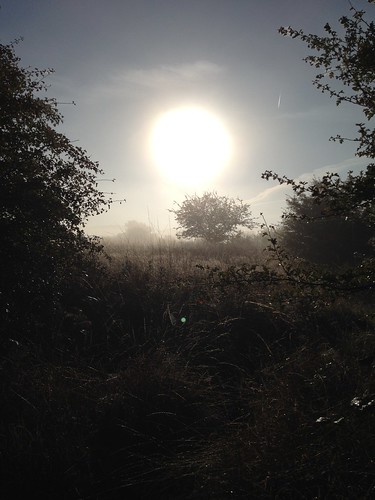
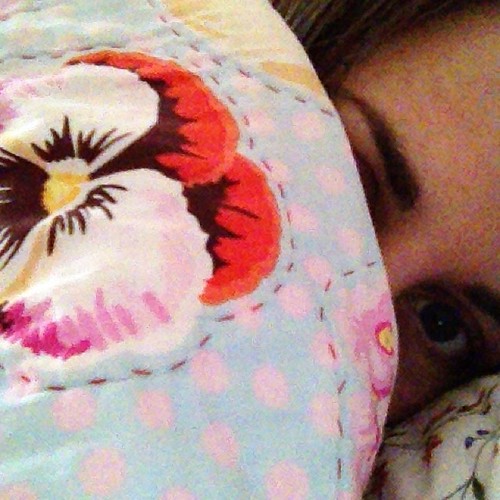
 |
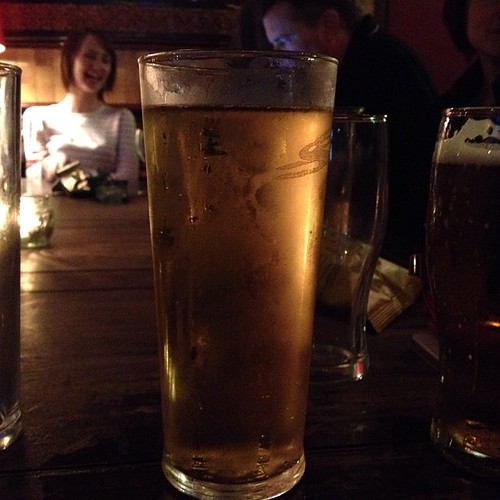
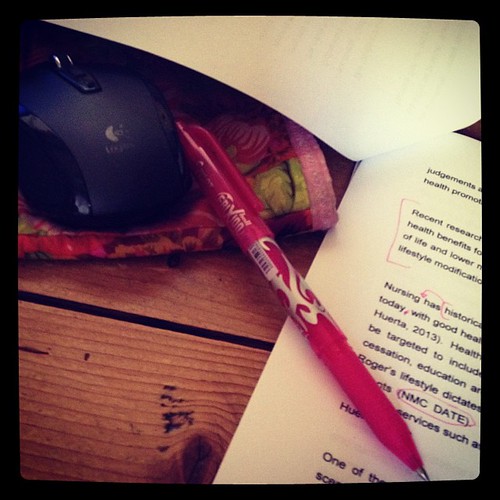
| Trying to get to sleep at 10am, the day before my first night shift |
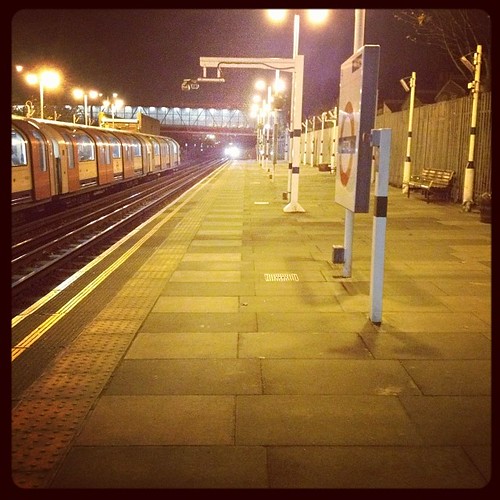 |
| Commuting to work from an empty tube platform - unheard of |
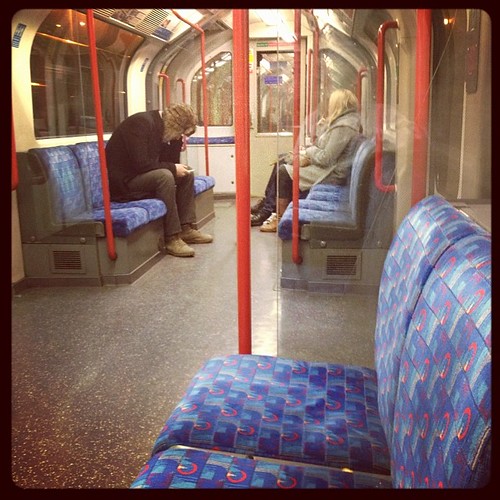 |
| A nearly empty train - another novelty |
 |
| Reflections in the window of an empty tube carriage |
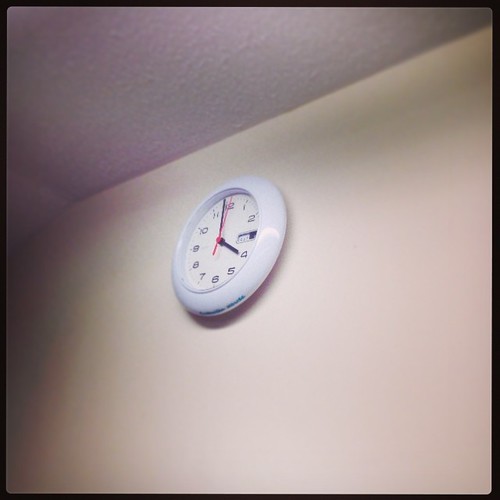 |
| Break time - 4am in an empty, silent staffroom |
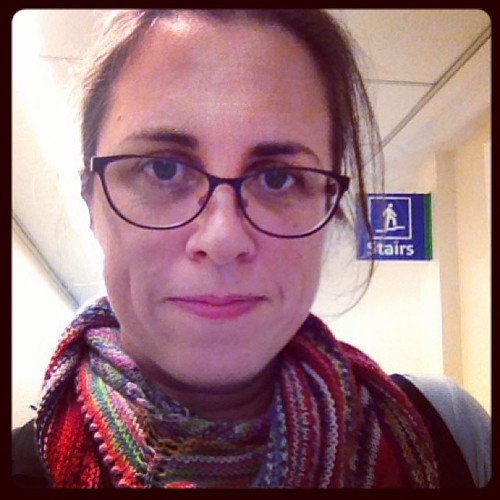 |
| Heading home to bed - still in semi nurse mode with my hair up and my glasses on |
I have to do a minimum of six night shifts as a student nurse before I qualify. This week I did my first two. There was much to learn - I didn't expect them to be quite so different from a day shift, but they were. At the hospital I am at right now, the night shifts are the same length as the day shifts - twelve and a half hours, from 8pm to 8:30am.
- How any patient ever gets any sleep in a hospital is a miracle to me. If it's not the sound of the other patients snoring or shouting, then it's the hum and hiss of the pressure-relieving mattresses, the beeps of the drip pumps or feed pumps, the call bells, the clatter of the nurses' medications trolley, the phones ringing, the lights turning on and off. We try our very hardest to make night time feel like sleep time, but it's not easy in a hospital environment. No wonder so many patients look tired and have naps during the day.
- I loved my commute to and from work for the night shifts. A guaranteed seat on an empty train.
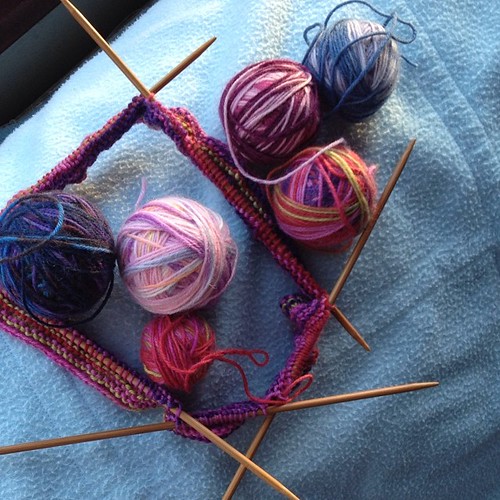
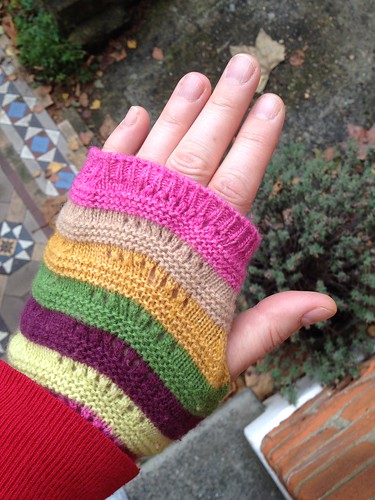
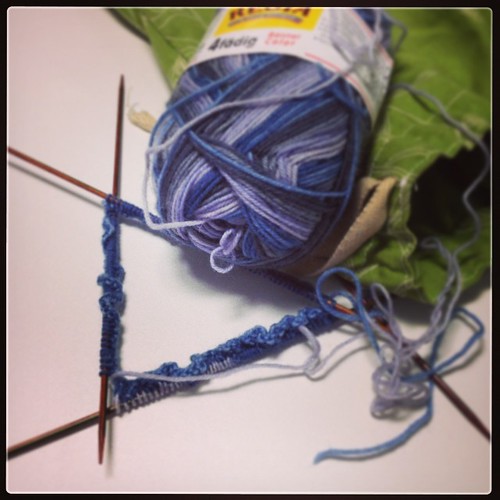
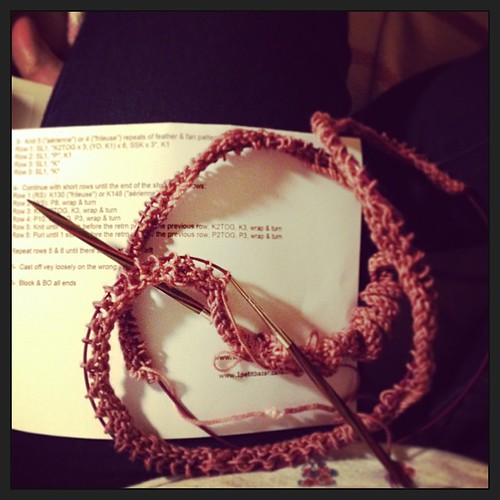
- On a day shift we have two or three small breaks of 15 or 30 minutes each. On a night shift we have one long break of an hour and a half. Some nurses have a quick nap during their break, others stay awake. I tried both and much prefer staying awake - my body clock was less confused that way. I did some knitting and listened to the radio on my break the second night, and arrived back on the ward feeling really quite refreshed.
- It's not the night shift itself that's so exhausting - it's the enforced jet lag you have to put yourself through.
- I liked having the time to talk to an anxious patient, chat with the matron who did rounds of the wards, or make a cup of tea for a family member sitting up with a dying patient. There's generally more time for everything on a night shift.
- The crash trolley and the controlled drugs register must be checked every single night.
- I still haven't worked out how you eat normally during a run of night shifts. I slept through mealtimes during the day, and didn't fancy eating a proper meal in the middle of the night; all I could manage was a couple of clementines and some cheese and crackers. I was permanently hungry but it never felt like the right time to eat.
- One patient vomited all over my shoes thirty minutes before the end of the shift. I just stared at my feet in surprise and then the patient and I both burst out laughing.
- I realised how many different people are on the wards during the day: visitors, physiotherapists, occupational therapists, porters taking patients to x-ray or theatre, pharmacists, social workers, speech and language therapists, nurse specialists, couriers and ward clerks. During the night shift it is just the patients, the nurses, the healthcare assistants and the occasional doctor popping in to check on a particularly unwell or unstable patient.
- My children were amazing at keeping quiet when they got in from school. I slept right through and never even heard them come home.